Morning · one listed ingredient
Ceremonial Matcha
A full-leaf tea powder story told with exact preparation, caffeine context, and the facts the supplier has—and has not—published.
01 · From leaf
1One material ingredient.
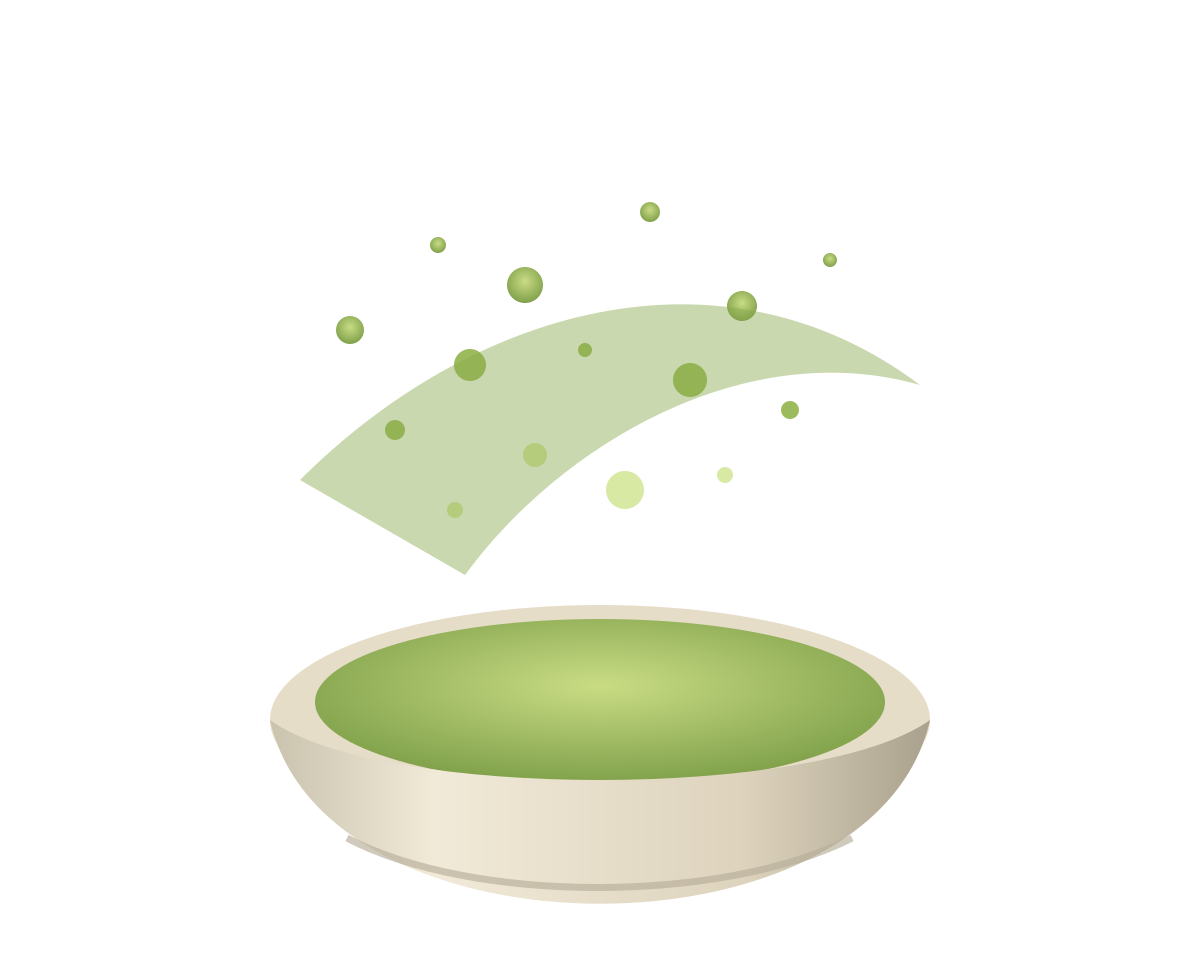
The authenticated Supliful record lists only matcha tea powder from Camellia sinensis. NCCIH identifies green tea as the unfermented leaf of the same plant. Powdering the leaf supplies the tea solids, natural green color, grassy flavor, caffeine, and plant compounds in the cup.

02 · Into the bowl
Whisking changes texture—not evidence.
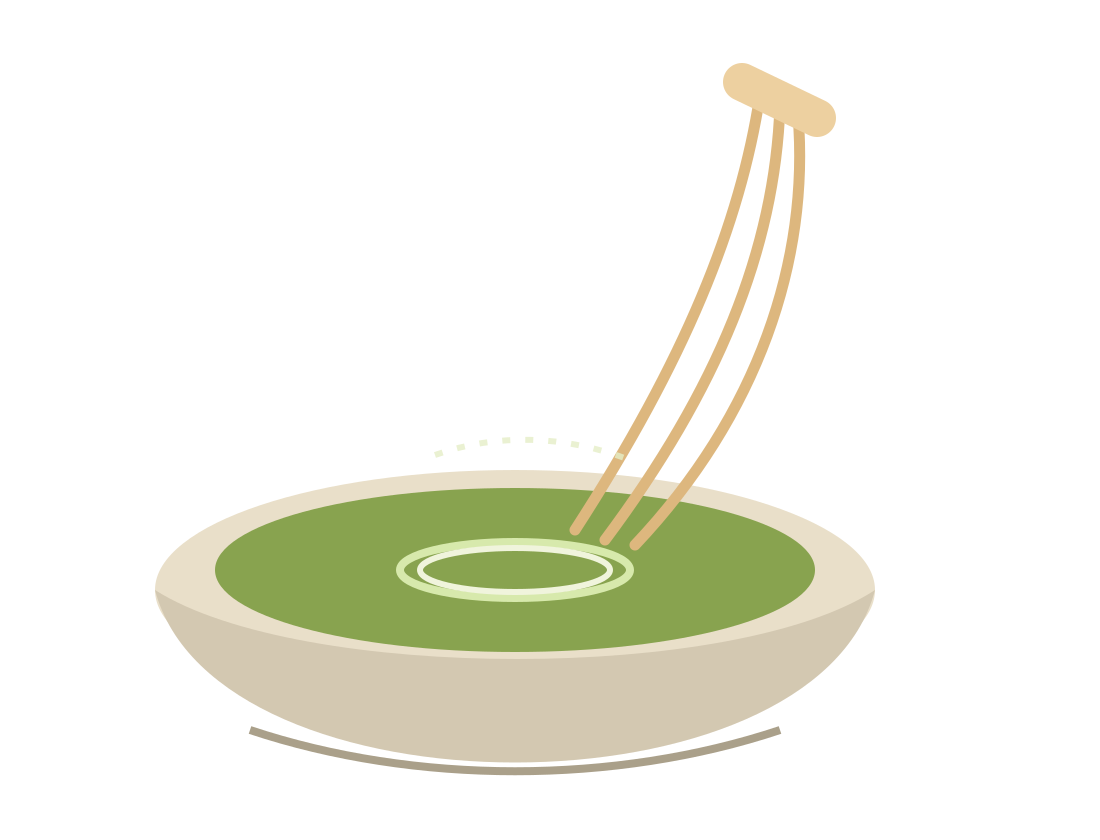
The current official template directs a brisk zigzag whisk until frothy. That motion disperses powder and air through the water. It can change suspension, mouthfeel, and foam; it does not prove a health outcome.
03 · Measured, not guessed
One teaspoon. Warm water. Small volume.
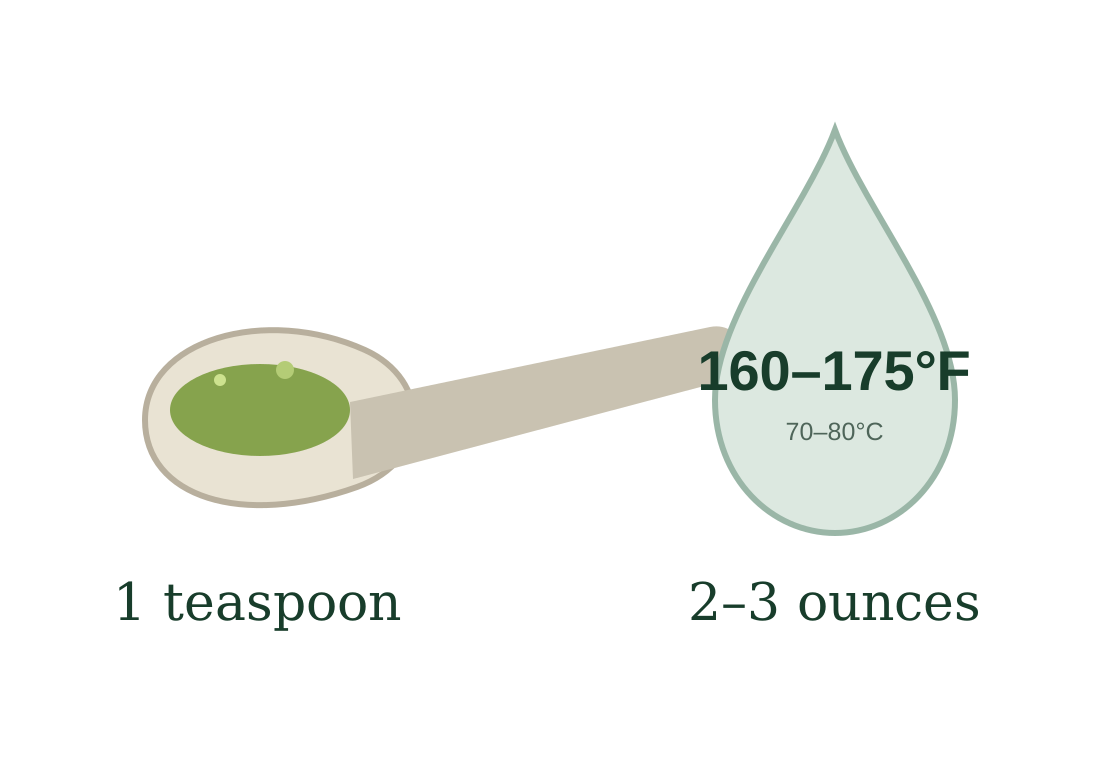
The official template says to sift one scoop—identified as one teaspoon—then add 2–3 oz (60–90 ml) of water at 160–175°F (70–80°C). These are preparation instructions, not a clinically validated dose for a claimed outcome.
Exact formulation
Every material component, in plain language.
A real morning routine
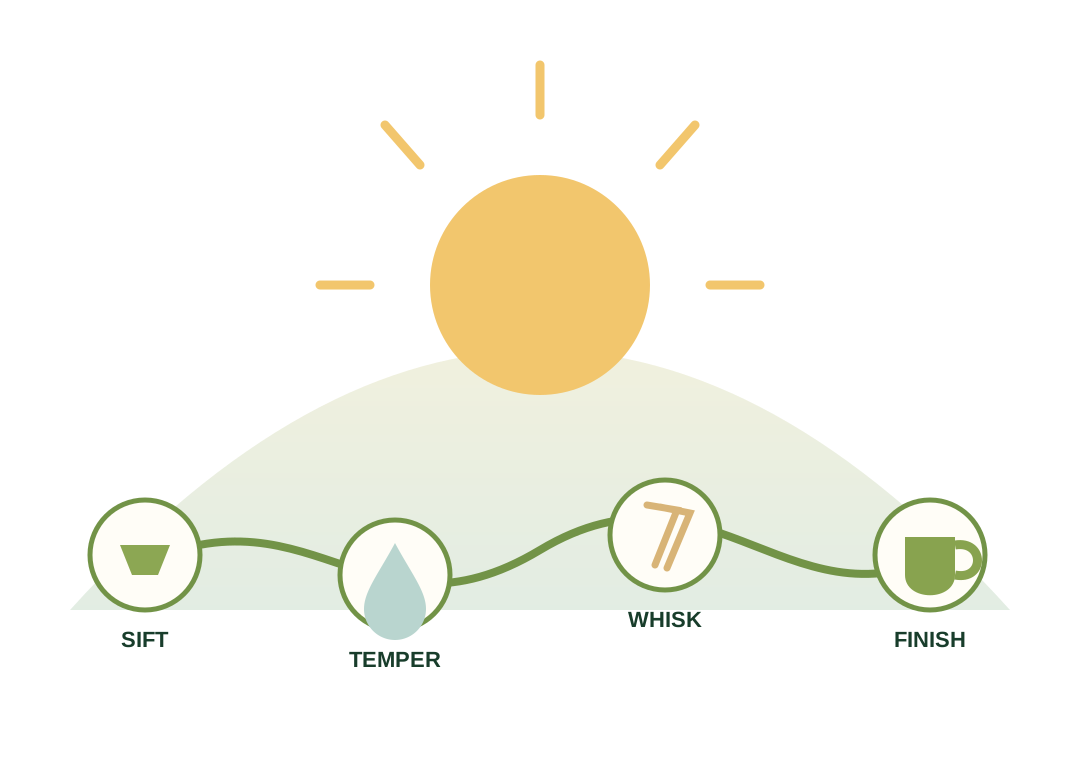
Four deliberate steps.
Place one teaspoon in a bowl and break up clumps.
Add 2–3 oz water at 160–175°F, not boiling.
Use a brisk zigzag until a fine froth forms.
Drink as prepared or add a preferred milk. Any add-in changes the final beverage.
Caffeine and interactions
The missing number matters.
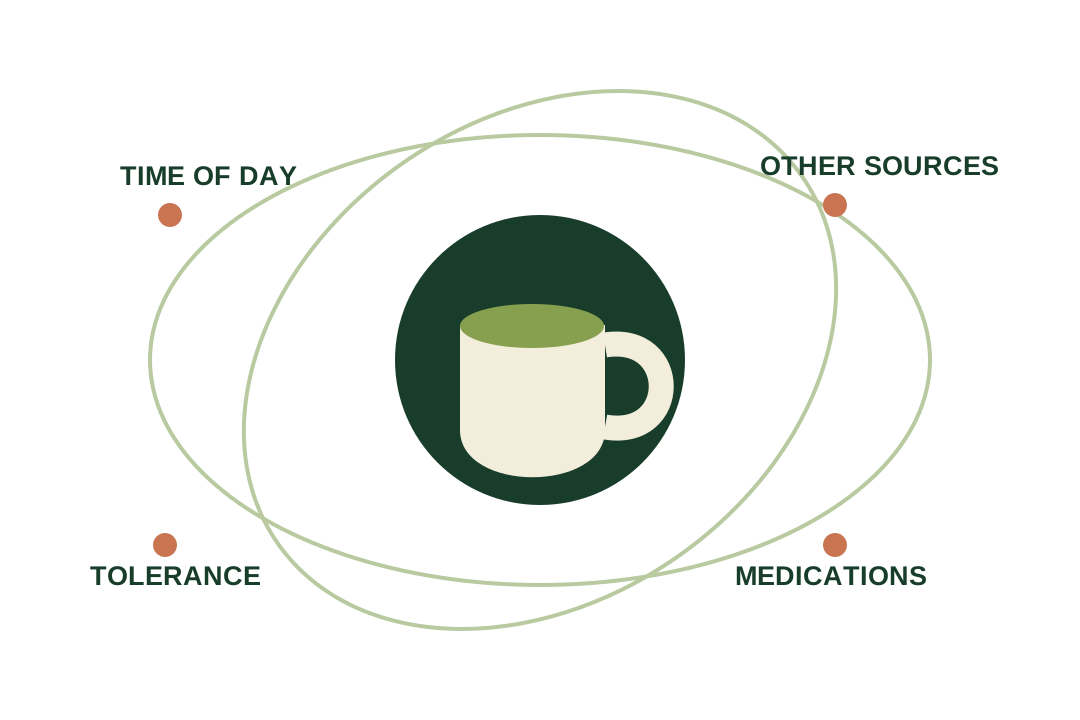
FDA says caffeine amount can vary by product and advises caution when a new food or beverage contains caffeine without a declared amount. That is this page's practical limitation: the exact caffeine per teaspoon is not published.
Official-template custody
The label is still a preflight draft.
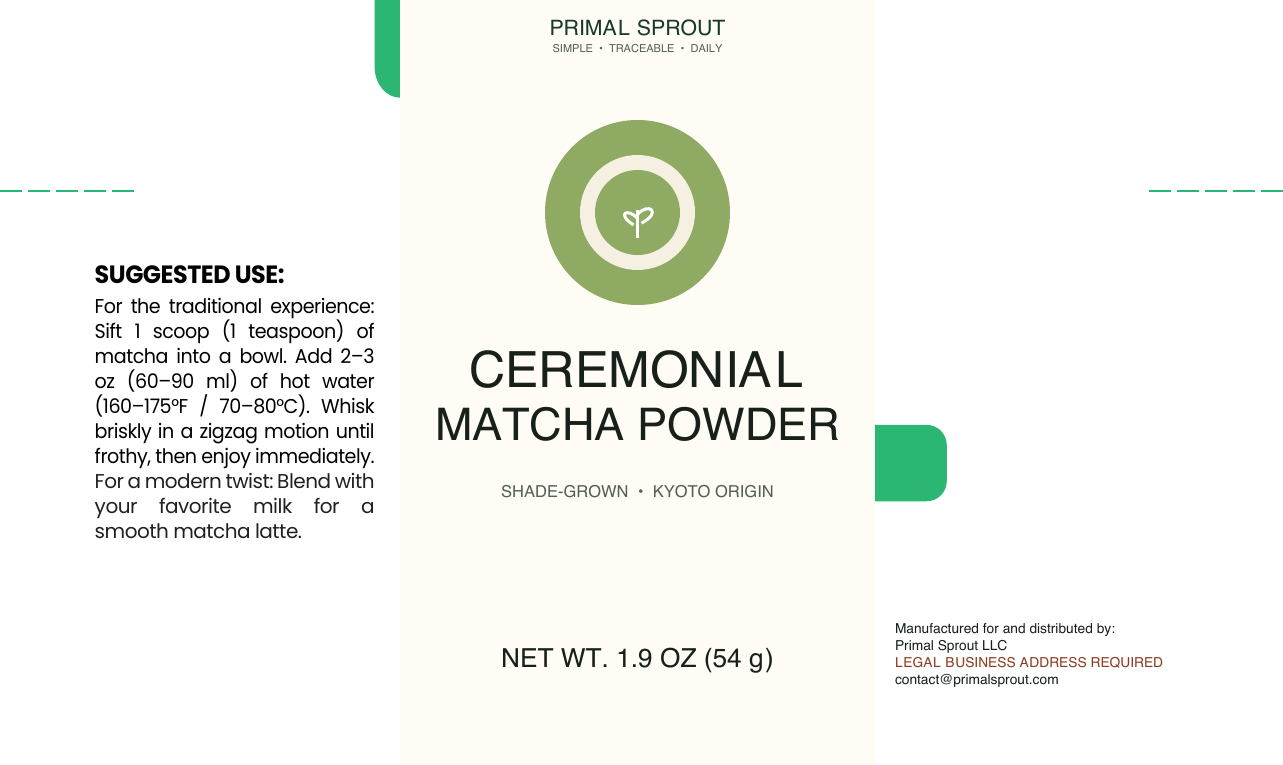
The artwork retains the official suggested use and 54 g net quantity. A domestic legal business address is required before upload. No purchase, final label upload, or product publication is active.
Questions worth answering
Before it reaches a cart.
Is this available to buy?
No. The page is a product-education preview with no active offer or checkout.
How much caffeine is in one teaspoon?
The supplier record and official template do not say. Primal Sprout will not invent a number; physical and documentary verification is an activation requirement.
Is it organic, independently tested, or certified?
No such claim is made. No certification or testing mark will appear without exact-SKU evidence and authorization.
Does matcha treat fatigue, anxiety, weight, or disease?
No. This page does not make treatment, prevention, promised performance, or promised mood claims. NCCIH says definite conclusions cannot be reached for most purposes for which green tea is promoted.
Who should ask a clinician?
Anyone pregnant, trying to become pregnant, breastfeeding, sensitive to caffeine, managing a medical condition, taking medication, or advised to limit caffeine. The product is not intended for children.
How would it ship?
The current supplier record says US only. Timing and rates remain unpublished until a connected fulfillment path is tested.
Primary sources and product record
- Supliful authenticated product record, retrieved 2026-08-11.
- Official Supliful label template `RST0CEMA_Ceremonial_Matcha_Powder.ai`, retrieved 2026-08-11; SHA-256 documented in the page-specific ledger.
- FDA: Spilling the Beans—How Much Caffeine Is Too Much?, accessed 2026-08-11.
- NIH/NCCIH: Green Tea—Usefulness and Safety, accessed 2026-08-11.
- FTC Health Products Compliance Guidance, accessed 2026-08-11.
- FDA Dietary Supplement Labeling Guide, accessed 2026-08-11.